

Ibex Hunting in Mongolia
Gobi Ibex (Capra Sibrica Hagenbecki)
Gobi Ibex is a close relative to the Altai Ibex, they inhabit rocky mountains in the southern part of the Gobi Altai Range. Gobi Ibex are smaller than its Altai cousin due to the scarce vegitation and limited water sources in its habitat. They have a brown coat with a light patch under its belly and between its legs. A male Gobi will stand over 3 ft and weigh around 260lbs.
Hunting Season – June 1-Oct 15 (currently no licenses available)
Altai Ibex (Capra Ibex Sibirica)
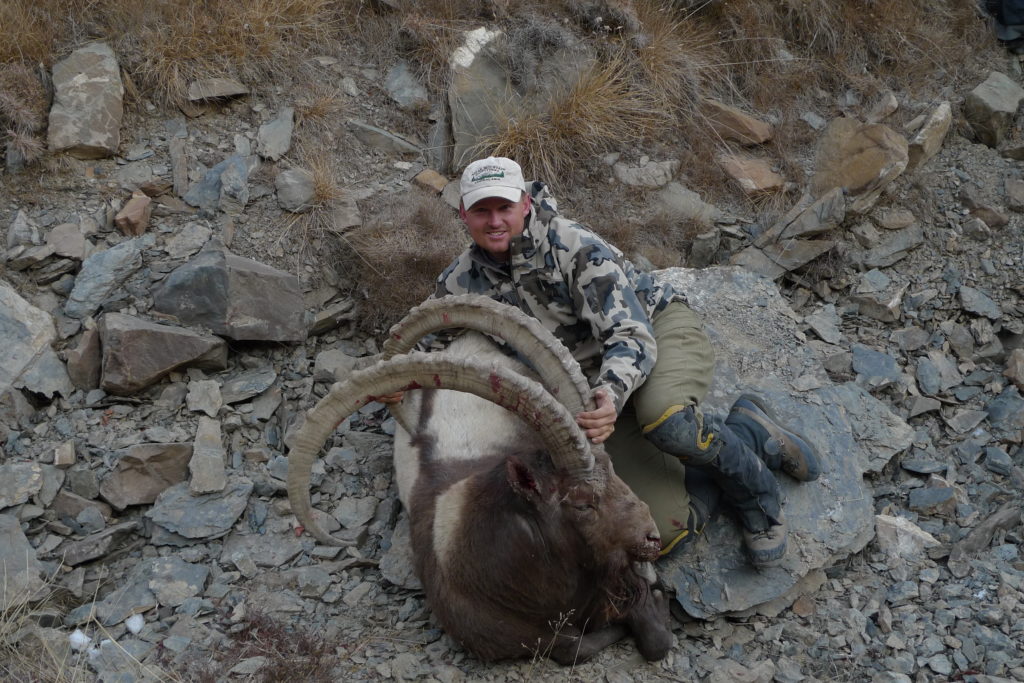
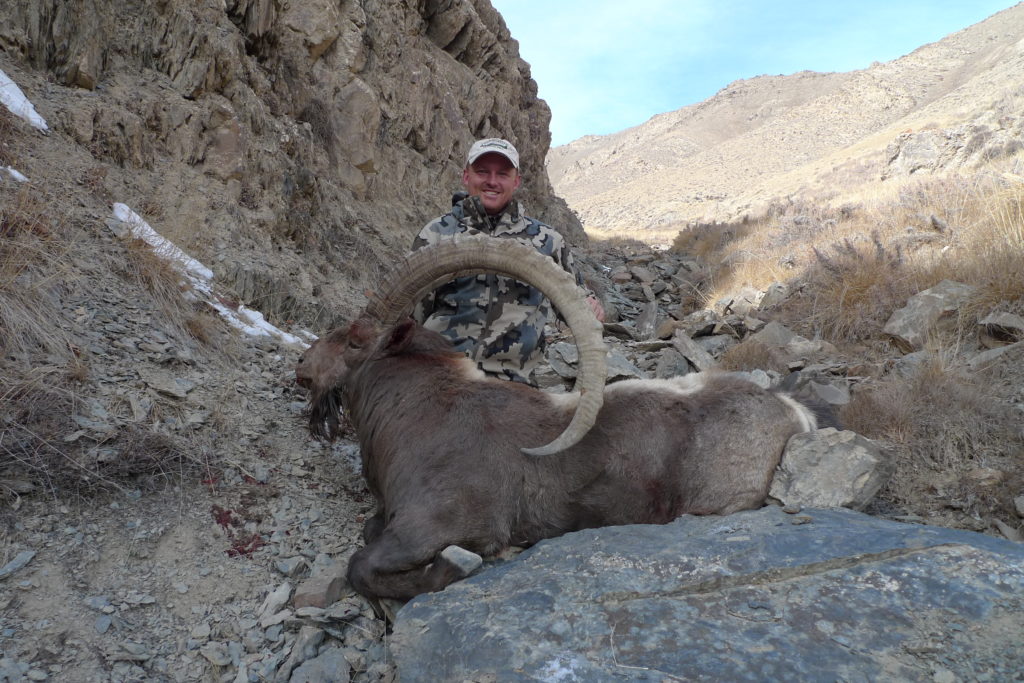
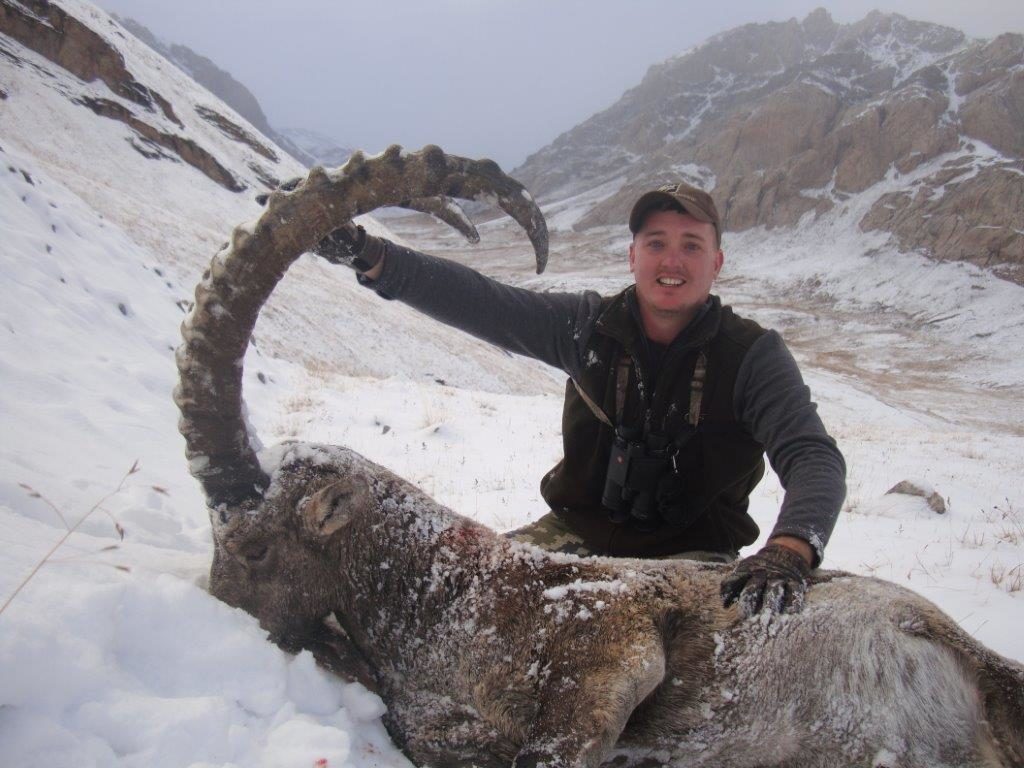
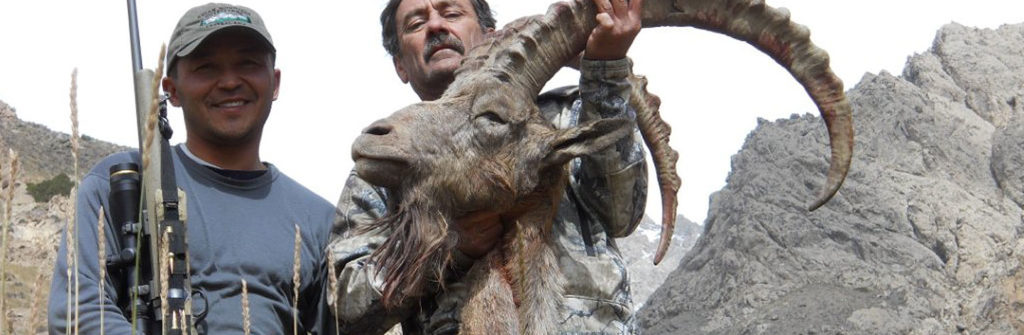
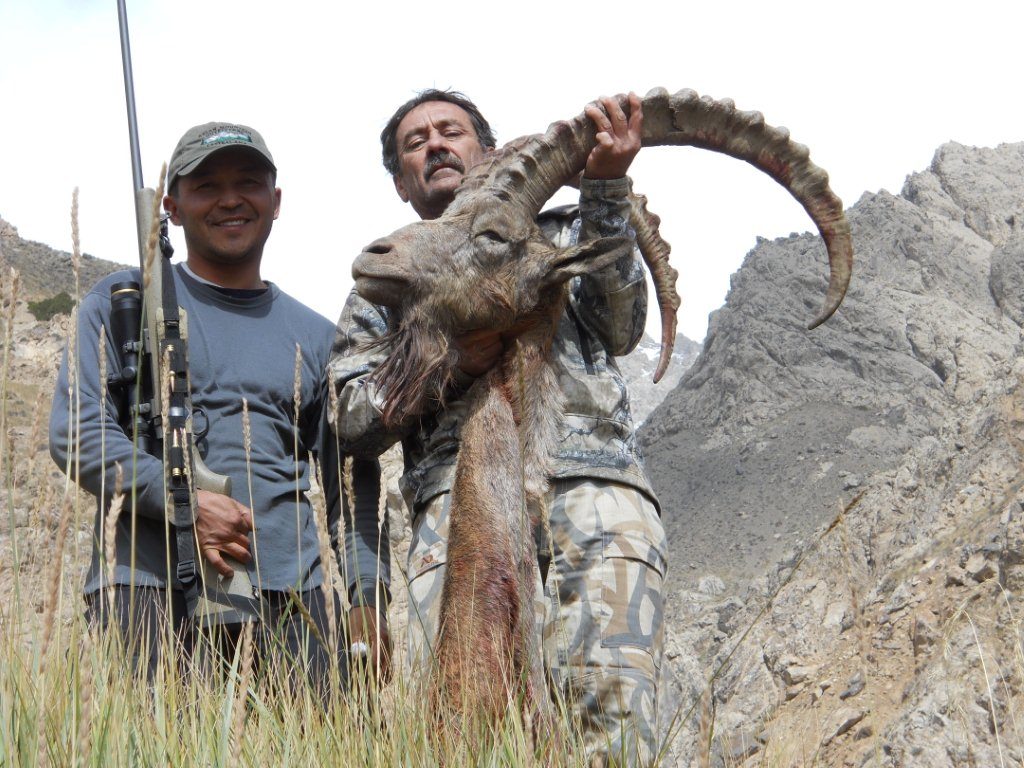
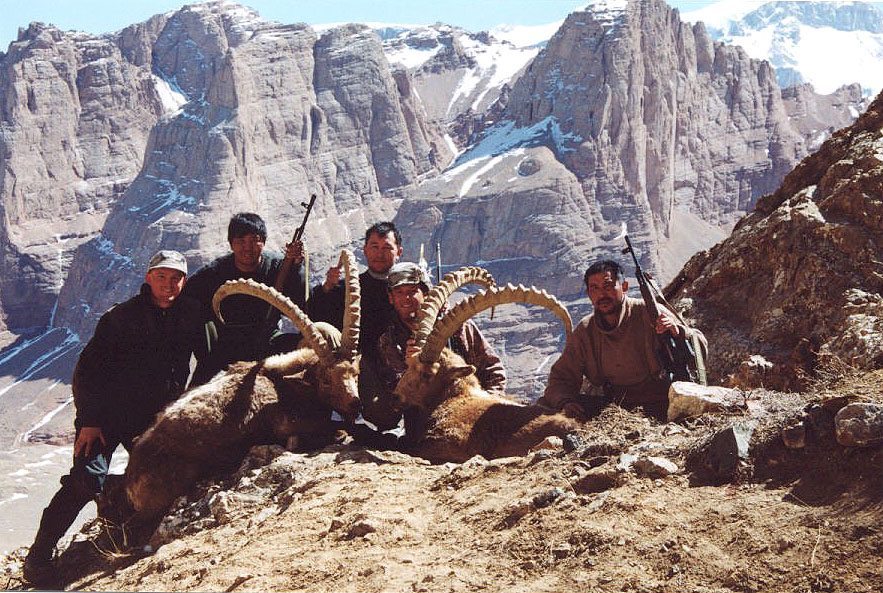
Altai Ibex are the larger of the two Ibex species in Mongolia. Altai Ibex are found in steep cliffs and narrow canyons with loose rock strips. Ibex primarily feed in the morning and evening and bed up in the shade for most of the day. Primary hunting areas are in the Altai range in the Hovd and Gobi-Altai provinces. They have reddish brown coats with older males having darker coats. Male Altai Ibex will stand a little over 3 ft and weigh approximately 280lbs.
Hunting Season – June 1 – October 15
Trophy Quality – 37-45 inches
Contact
Bryan Martin , PH
Ibex of the World: A Hunter’s Reference
Ibex are wild goats — genus Capra — native to parts of Europe, central Asia and southern Russia. For the size of their horns and the cost of the hunt, they are arguably the best value in international mountain hunting outside a do-it-yourself sheep or goat hunt in North America.
Judging age, and why it matters more than it does with sheep
Ibex horns grow every year and lay down a distinct annuli ring as they go, so an animal can be aged quite accurately in the field by counting rings. That matters more here than with sheep, because ibex generally live longer and keep adding meaningful length well past ten or twelve years of age, where a ram has essentially stopped growing by ten.
If you want a big ibex, look for one at least eight years old, and preferably past ten. Thirteen is an old animal in most of the range; in Spain they have been known to reach fourteen to seventeen.
The largest ibex are the Mid-Asian variety, which have been recorded to 60 inches. Most ibex, though, run between 30 and 45 inches depending on species, age and genetics. Horns are at their most impressive during the rut, typically November and December.
The species, where they live, and what to expect
Trophy figures below are the full recorded range followed by what a good representative animal actually measures — the second number is the honest one to plan around.
| Ibex | Where it lives | Recorded range | Typical trophy |
|---|---|---|---|
| Mid-Asian | Kyrgyzstan, Tajikistan, Kazakhstan | 35–60″ | 42–46″ |
| Bezoar | Turkey | 35–57″ | 42–46″ |
| Himalayan | Pakistan | 35–52″ | 40–45″ |
| Sindh | Pakistan | 35–52″ | 40–44″ |
| Altai | Mongolia and Russia | 35–52″ | 40–44″ |
| Persian | Iran, and New Mexico | 35–51″ | 38–46″ |
| Gobi | Mongolia | 34–47″ | 37–43″ |
| Alpine | Switzerland, Slovenia | 25–40″ | 32–36″ |
| Gredos | Spain | 26–39″ | 29–35″ |
| Beceite | Spain | 24–39″ | 29–35″ |
| Southeastern | Spain | 24–37″ | 27–33″ |
| Ronda | Spain | 20–34″ | 22–29″ |
Where we hunt them
Our own ibex hunting is in central Asia and Mongolia — Mid-Asian ibex in Kyrgyzstan and Tajikistan, and Altai and Gobi ibex in Mongolia. Those pages carry the seasons, camps, altitudes and success rates for each.
Two things worth knowing before you choose. Licence fees are included in the hunt price on Asian hunts, and there are no air charter fees or extra taxes to budget for — unlike Spain and Turkey, where permit costs are high and rise with the size of the animal. And unlike most wild sheep, ibex hold rougher, steeper ground; they are more elusive and, in the view of most people who have hunted both, rather smarter.