Azerbaijan
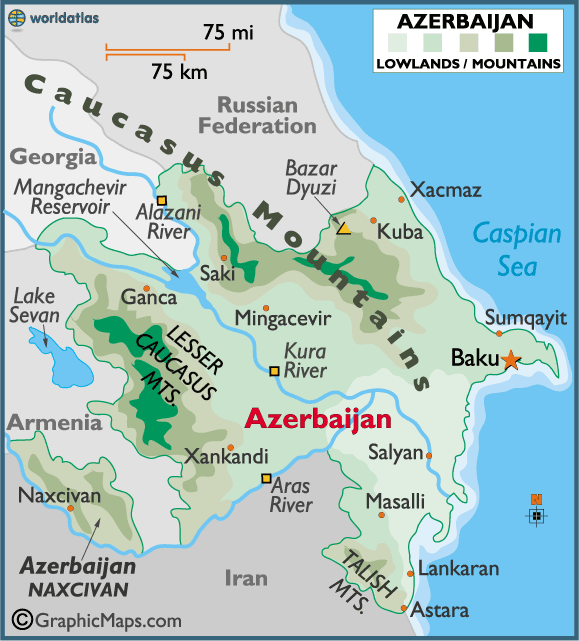
Azerbaijan is the largest country in the Caucasus region of Eurasia with a territory of 86,600 sq km, slightly smaller than Maine. Located at the crossroads of Western Asia and Eastern Europe, it is bounded by the Caspian Sea to the east, Russia to the north, Georgia to the northwest, Armenia to the west, and Iran to the south. The Azerbaijan Democratic Republic, the first democratic and secular republic in the Muslim world, was established in 1918, but was incorporated into the Soviet Union in 1920. Azerbaijan regained independence in 1991.
The People of Azerbaijan
Azeri (the main ethnic group) make up a little over 90% of the 8, 4 million local population, the rest comprising of a small number of Orthodox Armenians and Russians, and Dagestani. Local population generally speaks Azerbaijani language as well as Russian.
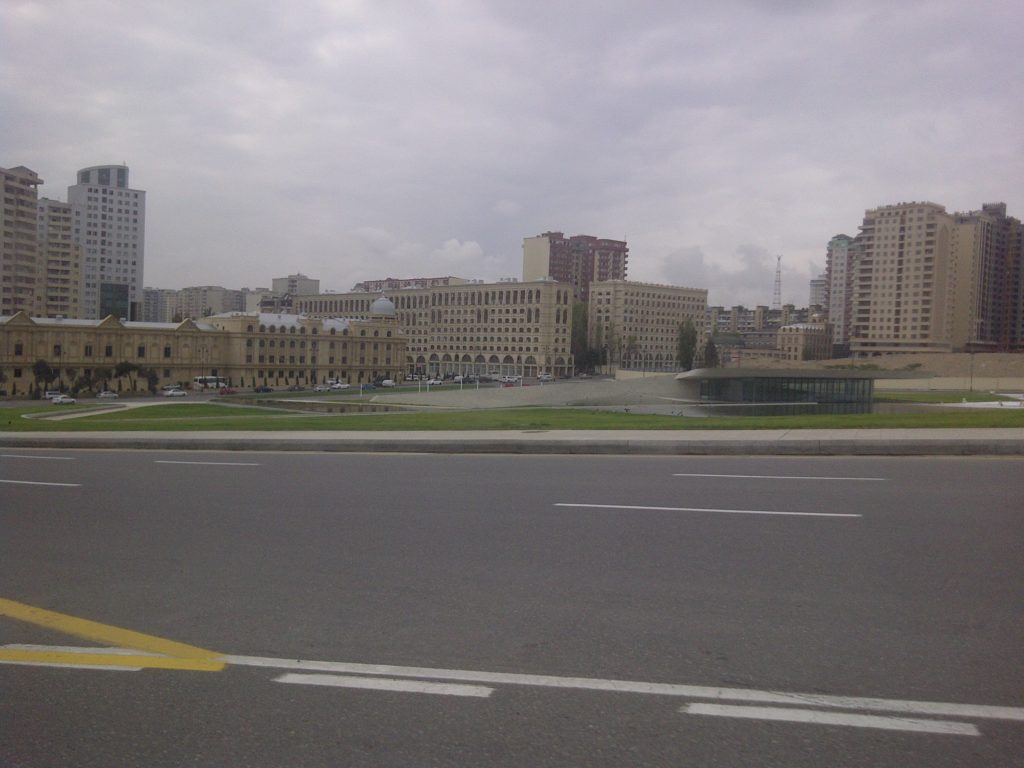
Like most former Soviet republics, Azerbaijan is an undeveloped country. However, due to extensive petroleum resources and oil exports to the west, its economy has seen significant boost in the last few years. This evident outcome is seen in construction boom in Azerbaijan’s capital and largest city Baku, also the country’s largest port.
The Landscape
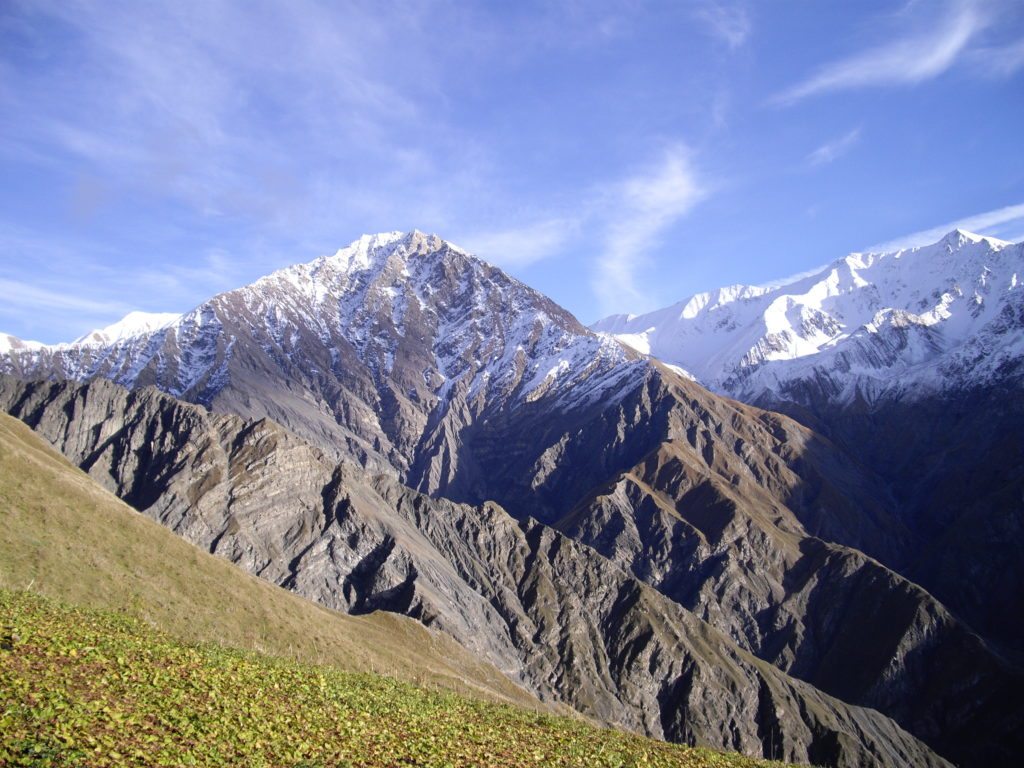
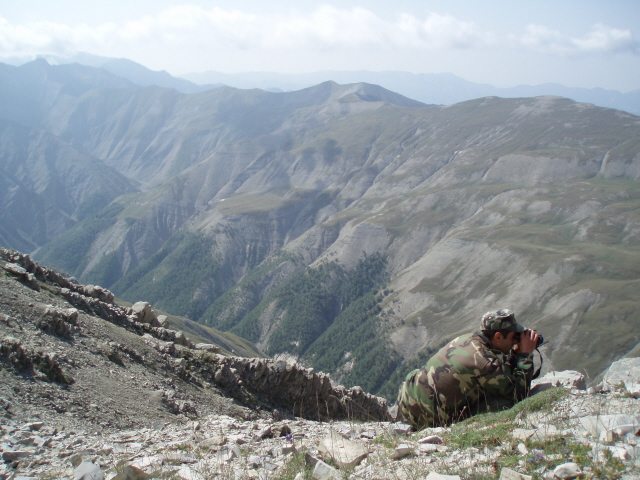
Over half of Azerbaijan’s land mass consists of mountain ridges, crests, yailas, and plateaus which rise up to 400–1000 meters. The rest of Azerbaijan’s terrain consists of plains and lowlands. There are also three mountain ranges, the Greater and Lesser Caucasus, and the Talysh Mountains, together covering approximately 40 percent of the country. The highest peak of Azerbaijan is mount Bazardüzü (4,466 m), while the lowest point lies in the Caspian Sea (?28 m).
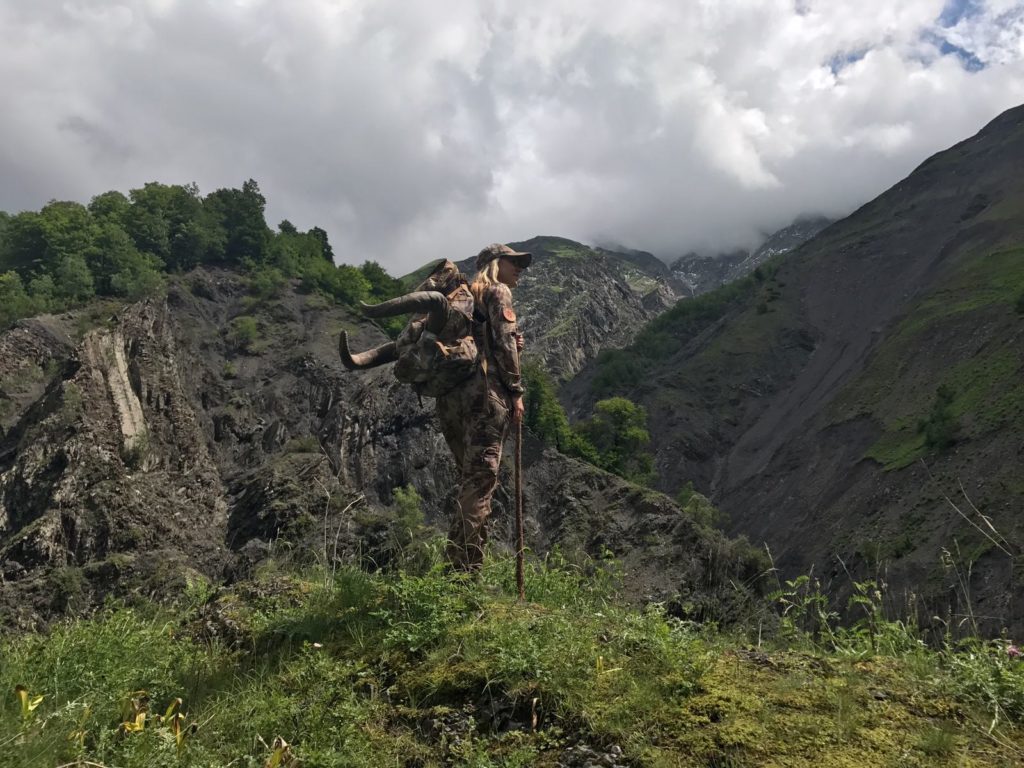
Our Hunting Areas in Azerbaijan
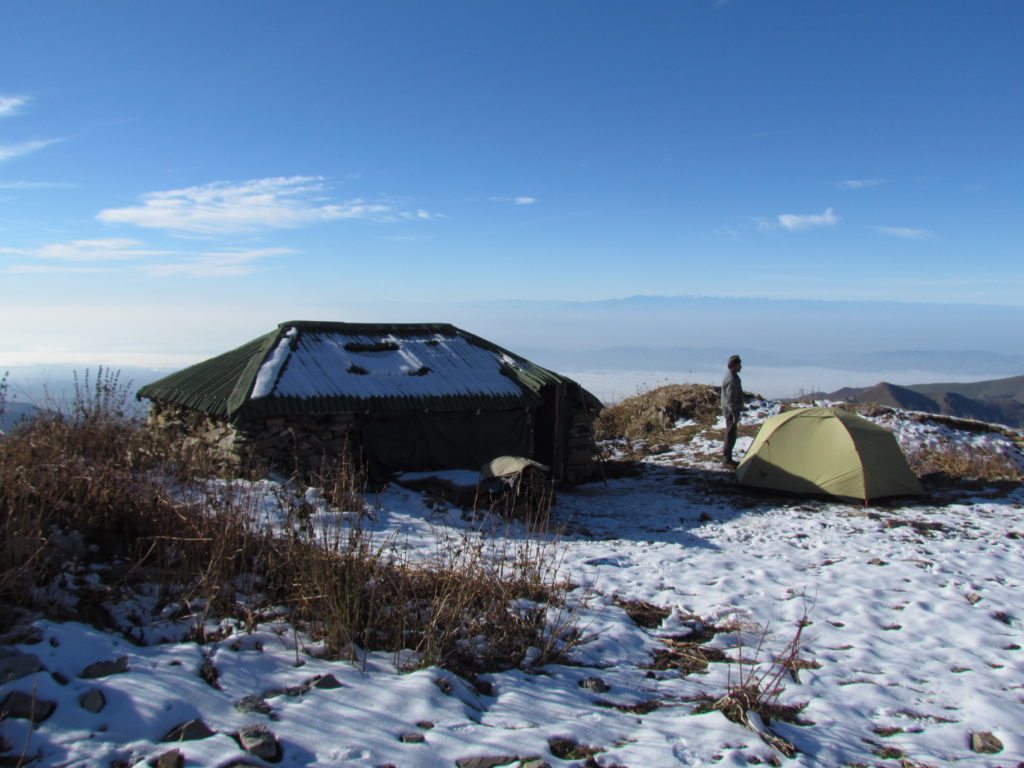
We hunt mountains such as Babadag mountain area, Ismaily and Quba region, approximately 300 km from Baku on the border with Dagestan. Hunting camps are normally based in cottage type of houses or wooden cabins and offer good facilities. The hunting areas are normally at 9000-10,000 feet and require extensive hiking and fly camping.
The Weather
In summer, temperature will vary between +15 to +30 Celsius, with frequently cold and rainy nights, even mild frost. Hunters will need a good mat and sleeping bag to keep warm and dry, as for summer hunts you will stay at fly camp for the entire duration of hunt. Humidity is high, so make sure you have enough change of underwear. Winters are mild with +10 to -5 Celsius at the lowest.
Dagestan Tur Hunting
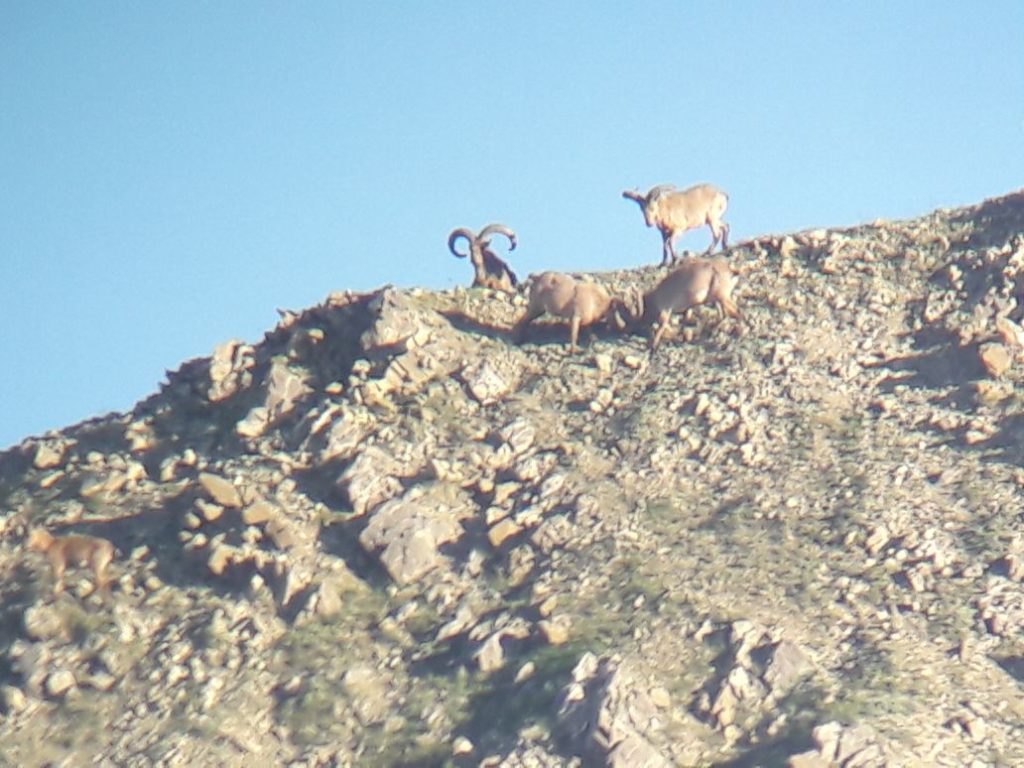
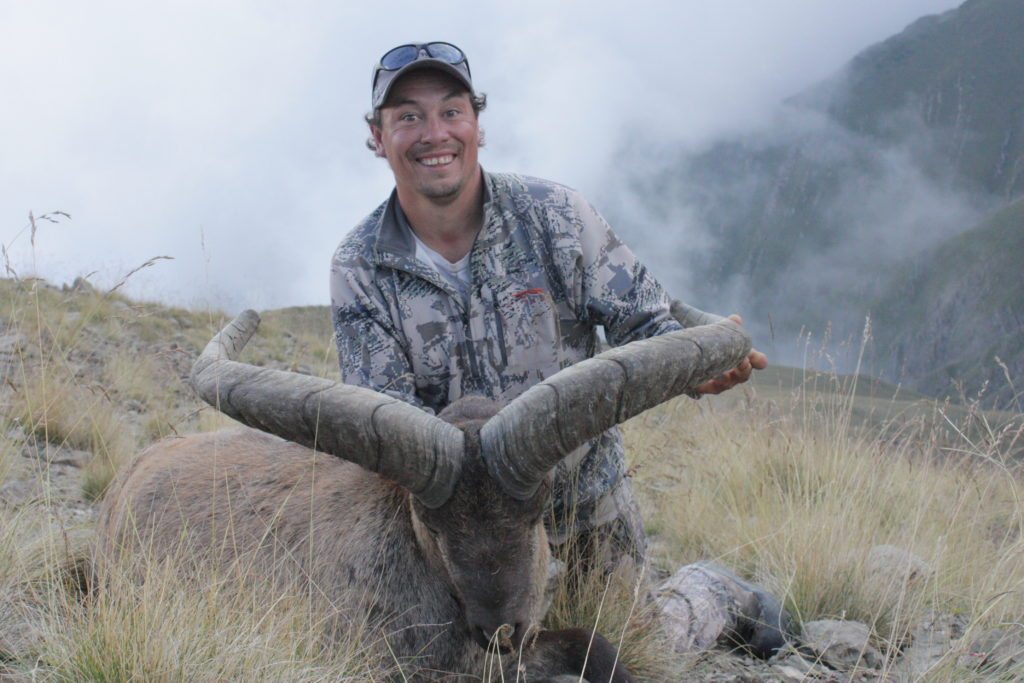
Average Eastern (Dagestan) Tur will vary between 31”-35” with exceptional Turs yielding over 40 inches. Specimens of 100-120 kg with 1 meter wide (39”) horns are not uncommon in the Sheki, Ismaily and Guba regions Animals are generally not spooked, which is why you’ll often find them grazing close by. Stalking is the general hunting method, although driven hunts are used as well.
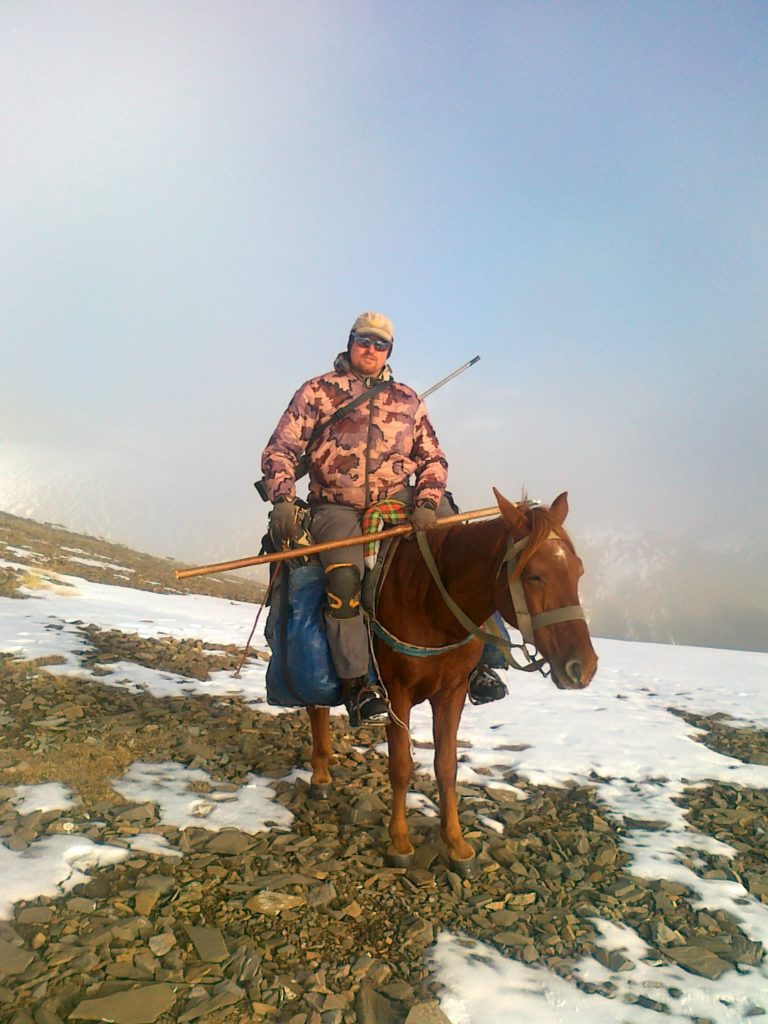
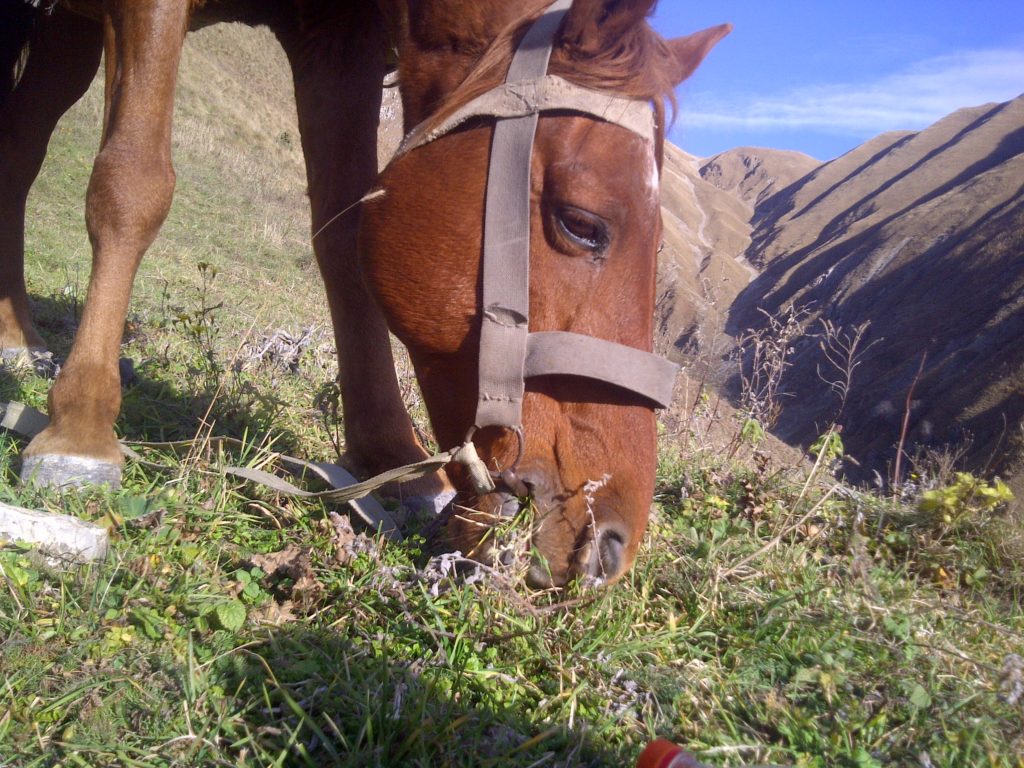
Horseback hunting is offered to those who lack good physical condition and are not able to hike for long distances. For further distances, however, hunters will be compelled to proceed on foot.
Planning a Dagestan Tur Hunt
Below is the detail hunters ask for most often before committing to a tur hunt in the Caucasus — when to go, what the mountain asks of you, what your odds look like by trophy class, and what a nine-day trip actually involves.
When to hunt
The season runs from mid-May through 15 December, and the month you pick changes what you bring home. May and June offer excellent hunting, but hides are not at their best for a life-sized mount. July through September are the strongest months for spike-out hunting, when you are camped high and moving with the herds. If cape quality matters to you, hunt from mid-October through December, when hides are at their prime.
Altitude and terrain
Hunting is conducted between roughly 6,500 and 11,500 feet. That is high country, but it is low enough that altitude sickness is rare — a meaningful advantage over the Pamir and Tien Shan hunts elsewhere in our range.
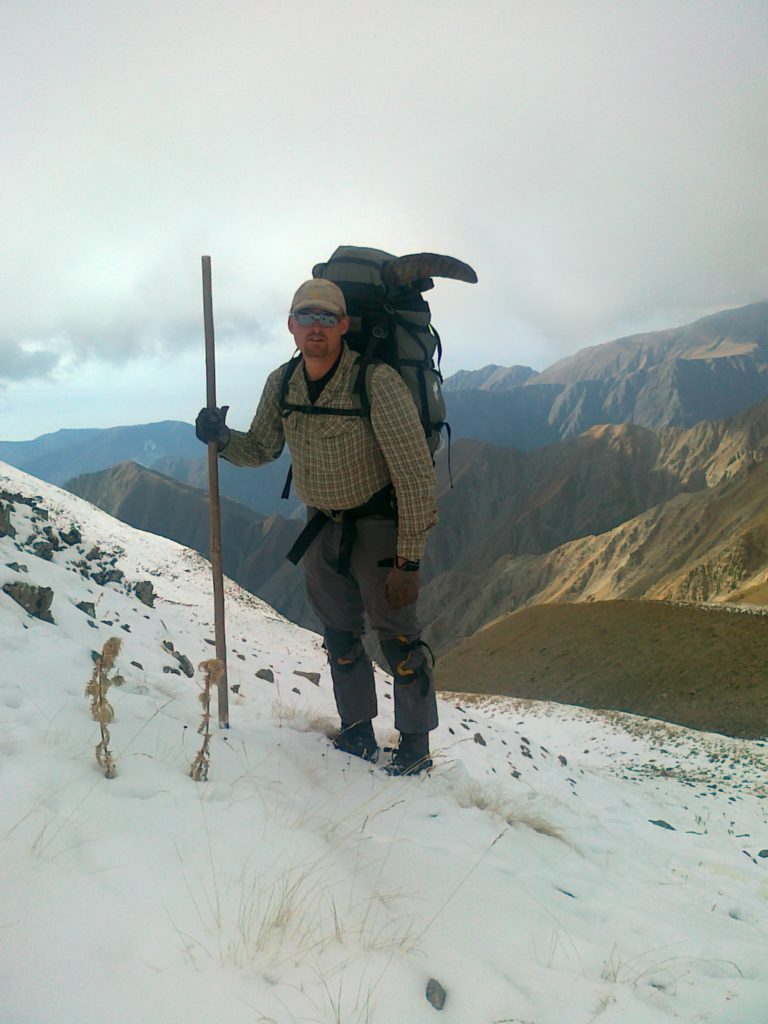
What it asks of you instead is climbing. The Caucasus are among the steepest mountains hunted anywhere, and you will find yourself working up ground that is close to vertical rock. Ascending and descending those slopes is the real difficulty of this hunt, not the thin air. Local guides climb with wooden staffs rather than trekking poles, shifting their weight constantly for balance, and they are extremely good at it — we suggest you use the same. Climb in a zigzag rather than straight up the fall line; it costs less in ankles and knees and you will last far longer in the day.
Good physical condition is a prerequisite. Hunters who cannot hike long distances can reach some areas on horseback in summer and early autumn, where horse trails exist, but beyond those trails everyone walks.
What you can expect to see
Tur are herd animals and you will see them. A typical day produces several groups of twenty to thirty males, and larger herds of a hundred to a hundred and fifty are not unusual. They are wary, and they can be into the cliffs and gone in seconds if they wind you.
Success rates depend heavily on the trophy you hold out for. Hunters willing to take a representative bull in the 26 to 32 inch class connect roughly 95% of the time. Holding for 33 to 35 inches drops that to around 60%. Waiting for a tur over 35 inches — a genuinely exceptional animal — puts you near 30%. Decide which of those you are before you book, because it shapes the whole hunt.
Stalking is the usual method, with driven hunts used where the ground suits it. Shots run anywhere from 100 to 500 yards, so bring a rifle you can shoot honestly at distance and know your drops.
Camps and food
Because the season spans summer and winter, there are camps for both, in broadly the same hunting areas. Almost all are newly built stone construction with comfortable furniture, a separate kitchen, a generator, stock corrals and trophy care facilities. Summer camps have a shower hut and an outhouse; winter camps have a full indoor bathroom. On early-season hunts in warm weather you may spend nights in backpack tents at fly camp, which is worth being mentally prepared for.
A full-time cook works in camp, making both traditional Azerbaijani and European dishes. Expect meats, rice, pasta, salami, fresh bread, nuts, vegetables, fruit and soups — basic, plentiful and genuinely good. Bottled water is generally available, though a filter or purification tablets are sensible if you are cautious. Tea is served with every meal; if you drink coffee, bring instant. Snack foods like candy bars, drink mix and jerky are hard to come by locally, so pack your own.
Satellite phones may not be brought into Azerbaijan. Mobile phones work in some areas and not others, so plan on being genuinely out of contact for stretches.
Getting there
Hunters fly into Baku, most commonly through Istanbul, and we recommend routing via Turkish Airlines — travelling with firearms through Istanbul is markedly less trouble than the alternatives. Frankfurt also works but has fewer flights each week. Total travel time is around twenty hours from the United States, longer via Germany. There are three arrivals a day into Baku, and hunters landing on the early-morning flight can head straight for camp the same day rather than overnighting.
An English-speaking representative meets you at Baku International, handles customs and firearms declaration, and can arrange expedited clearance if you would rather not queue. An Azerbaijan visa must be obtained in the United States or Canada before you travel — apply at least a month ahead.
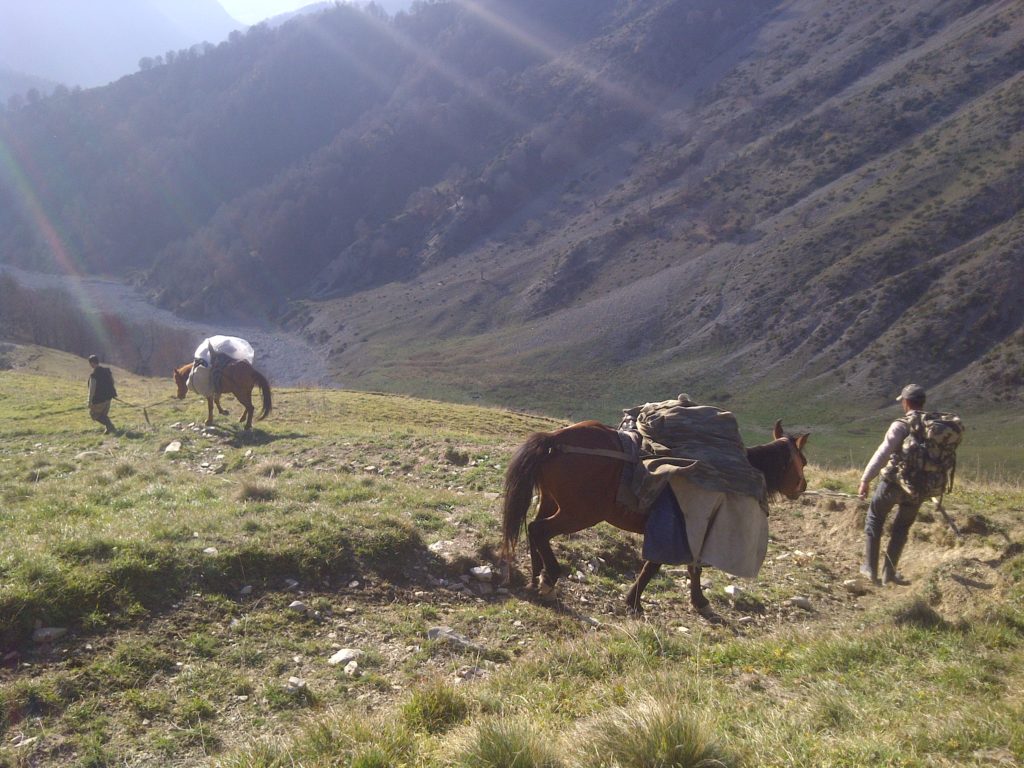
From Baku it is 200 to 300 kilometres to the hunting areas, and the journey is part of the trip. You will change vehicles as the roads deteriorate — Land Cruiser to pickup to a refurbished Soviet army truck — and cover the last stretch on riverbeds. Expect seven to eight hours all in, depending on season and camp, with a stop for lunch on the way and a passport check at a military post. Depending on weather and camp location, the final ten to twenty kilometres may be on horseback.
A typical nine days
- Day 1 — arrive Baku, check in to your hotel
- Day 2 — transfer to base camp
- Days 3–7 — five hunting days, or depart early if you tag out
- Day 8 — return to Baku
- Day 9 — fly home
What the hunt includes
- Travel and permit arrangements
- Firearm permit
- All hunting licenses and tags
- Veterinary certificate
- English-speaking interpreter
- Area fees and taxes
- A local guide and assistant for each hunter
- Cabin or tent accommodation
- Airport pickup and all ground transport, including VIP transfers through Baku airport
- Lodging and meals in camp
- Trophy skinning and preparation
- Transport by jeep and/or horse
What it does not include
- International flights to Baku
- Hotel and meals in Baku before and after the hunt
- Azerbaijan visa — apply at least one month before your hunt dates
- Emergency medical and evacuation cover such as Global Rescue or Ripcord
- Tips and gratuities for guides, drivers, camp staff and management
- Additional hunting days or side trips
- Expedited skull and skin drying if you want to carry a trophy home on the plane
- CITES export permit and trophy shipping
- A meet-and-greet or city tour in Istanbul, if you plan to leave the airport
Other species in the same camps
Bear, wild boar, wolf, reed cat and jackal can be added to a tur hunt. Hunters wanting a second mountain species without a great deal of extra travel often pair Azerbaijan with Kyrgyzstan, and your tur trophy can be held in safe storage for the duration of the second hunt.
An English-speaking North American guide can accompany you in addition to the local guides. It is not usually necessary — the local guides here are very good — but it is worth considering if you are holding out for an exceptional animal, want help judging trophies in the field, or this is your first hunt in Asia.