
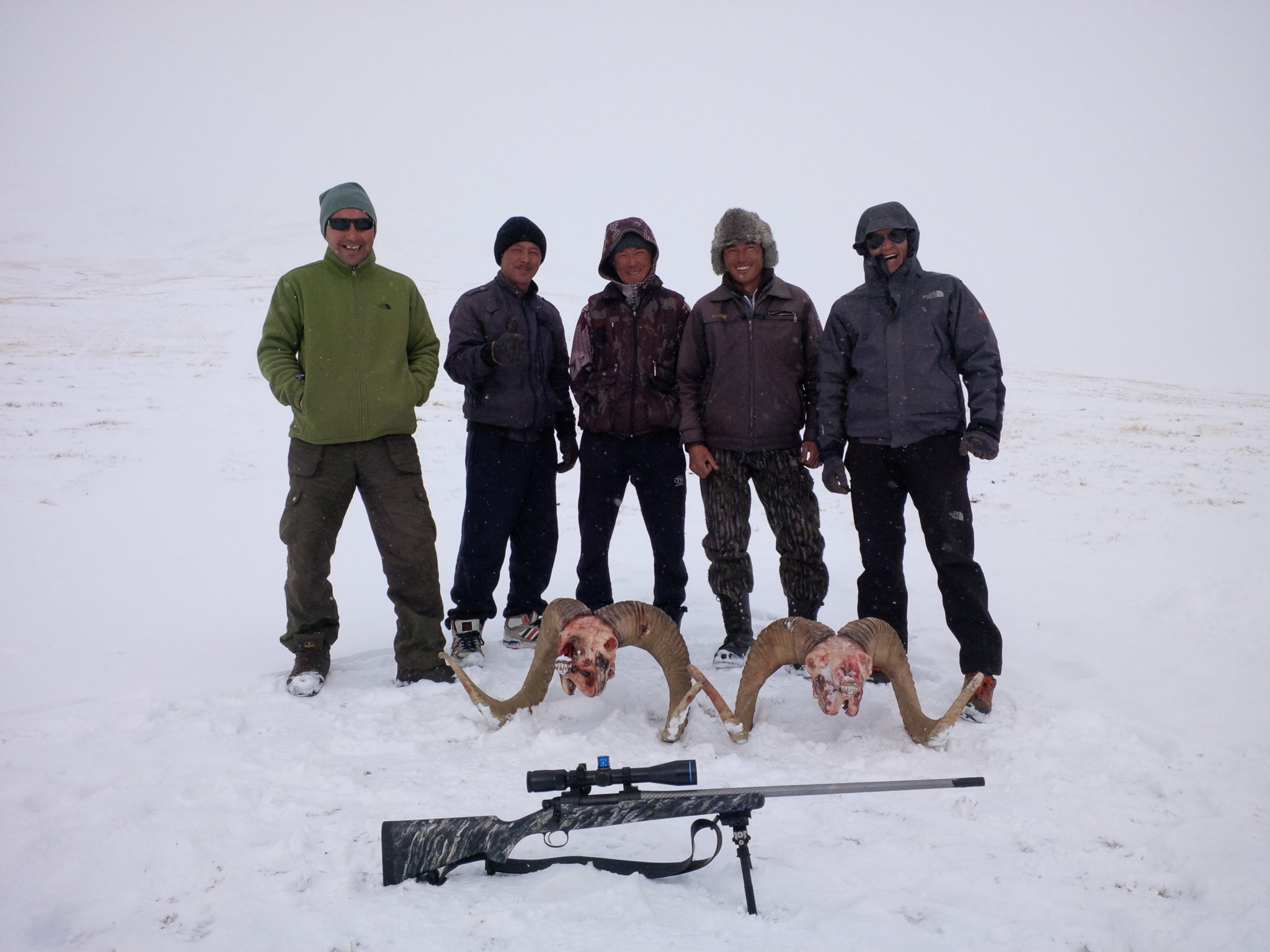
Kyrgyzstan Marco Polo Hunting
Kyrgyzstan Mid-Asian Ibex Hunting
Species
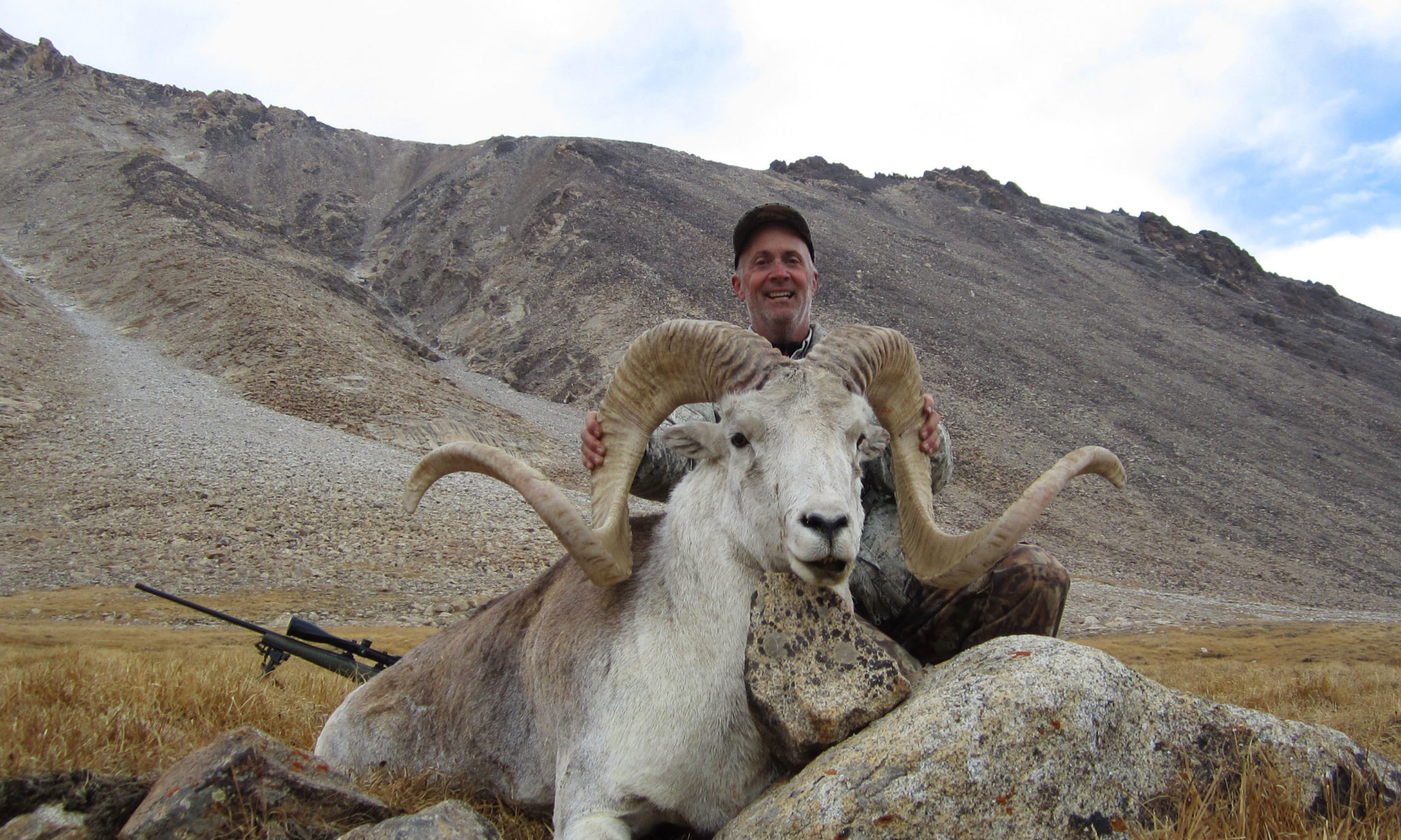
Marco Polo
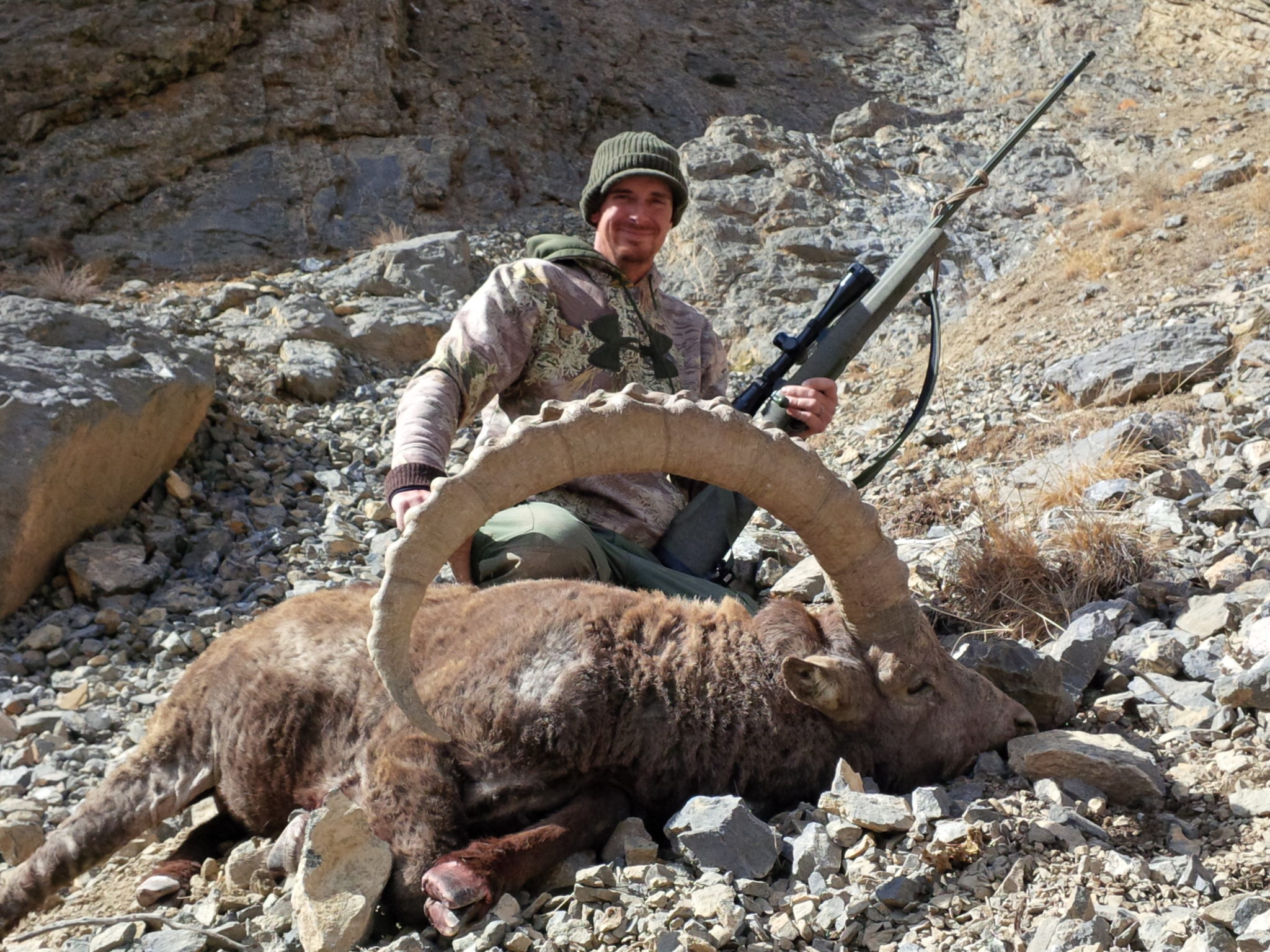
Ibex
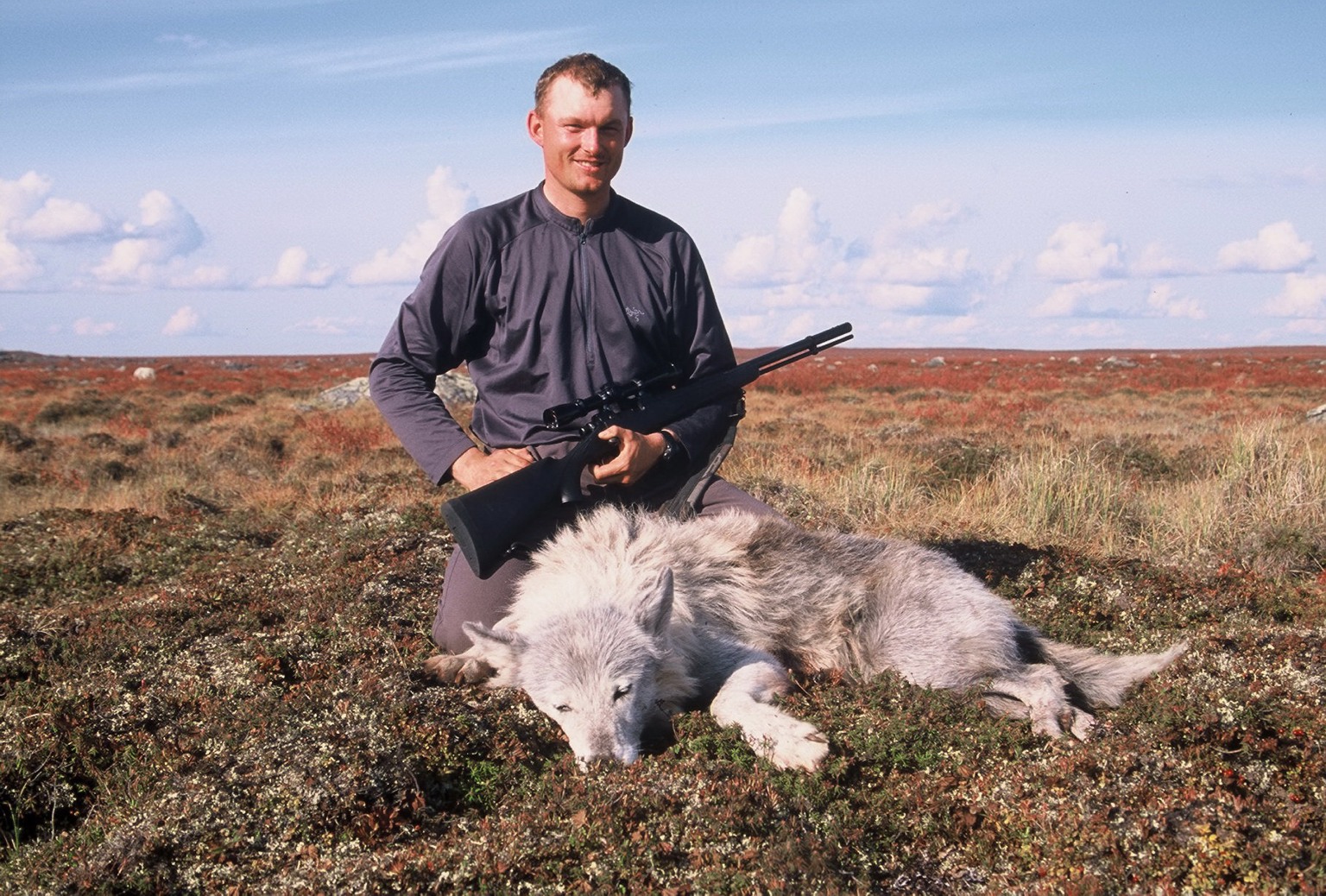
Wolf
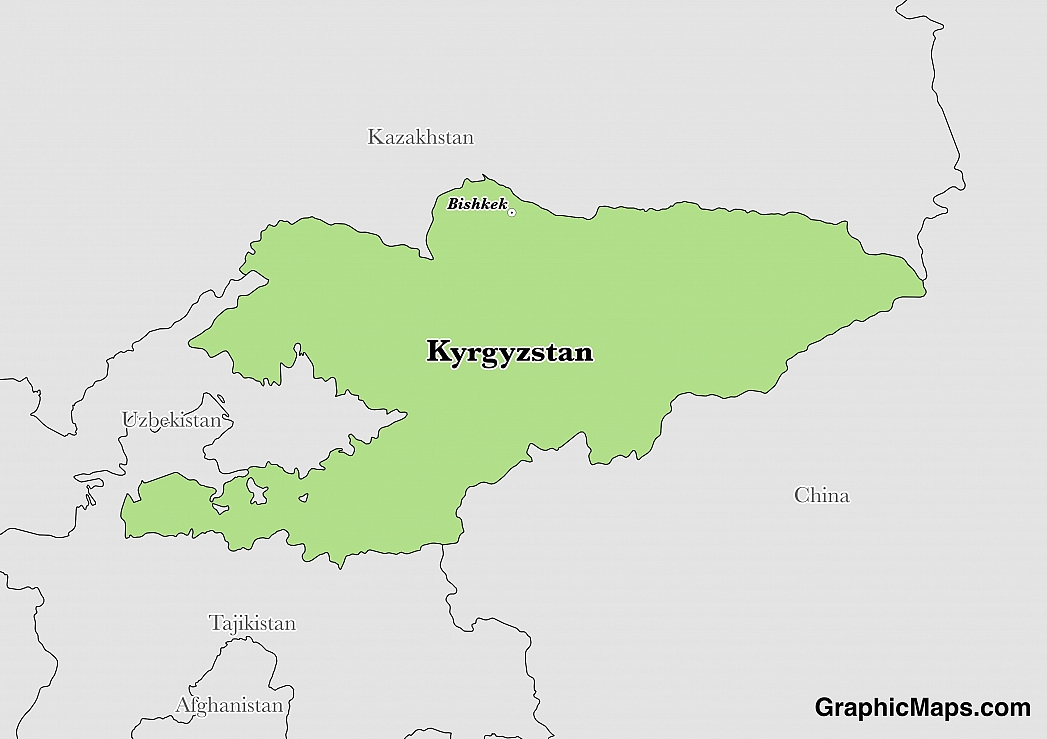
Located at the heart of Central Asia, Kyrgyzstan is known for incredible natural beauty and proud nomadic traditions. Also known as the ‘melting pot’, Kyrgyzstan is a home for over 5 million people of 80 different nationalities. With a total area of 198, 5 thousand sq. km (76, 640 sq.mi) it is about the size of Nebraska, and borders with Kazakhstan, Uzbekistan, Tajikistan and China. Kyrgyzstan has been under the Soviet rule from 1924 to 1991, when it gained independence and became a democratic republic with a parliamentary government.
The country is almost completely mountainous, being found at the juncture of two great Central Asian mountain systems – Tian Shan and the Pamirs. More than half of Kyrgyzstan lies at an elevation higher than 2, 500m (8, 200ft). Only about 1/8 of the country’s territory lies lower than 1, 500m (4, 900ft), while glaciers and permanent snowfields cover more than 3% of total land area. Kyrgyzstan’s highest point, the Victory Peak, named after Soviet victory in World War II, is 7, 439m (24, 406ft) high.
Snow-capped mountain peaks, crystal clear lakes, rushing streams, highland pastures and meadows, unique flora and fauna are what make up the land of this small country. Once a stop-point for merchants and travelers along the Great Silk Road, it was an oasis and a welcome relief after crossing perilous mountain passes on the way from China. It was this very road that had brought the famous Venetian explorer Marco Polo to these lands to later discover the world’s largest and most magnificent sheep in 1273. These sheep Marco Polo had described to have horns “three, four and even six palms in length”, which is why they hold an almost mythical status to any trophy hunter to this day.
Climate: The country’s climate varies by region. While it’s subtropical in lowland Fergana Valley in the west, the climate is temperate in the northern foothill zone. The lower mountain slopes have a dry continental climate, as they receive desert-warmed winds from Kazakhstan and Uzbekistan, whereas the highest mountain elevations, where most of the hunting is conducted, have a polar climate. In the valleys, the average daily temperature in July is 28° C (82° F). In January daily averages are as low as -14° C (7° F). Conditions are much colder at high elevations, where in July the average daily temperature is 5° C (41° F) and in January -28° C (-18° F).
Hunting Area: Prime hunting areas are one of the most remote in Kyrgyzstan and are mainly located in the northeastern portion of the country. Hunting is conducted in Issyk-Kul and Naryn regions at 12, 000ft up to 13,500ft above the sea level between September – 1st December and 10 January – 28 February.
The areas are known for the legendary lake Issyk-Kul, one of world’s largest mountain lakes as well as the country’s largest river Naryn that originates in the northeast and flows westward through the middle of the country. While the terrain is high altitude, it is not extremely rugged, which enables us to reach base camps on Toyota Land Cruiser vehicles that are just the right means of transportation in a roadless territory. Rough, serpentine roads take you through a number of nerve-racking mountain passes and gorges, gradually ascending to 10,000 -12,000ft where the base camps are situated.
The region is often described as the ‘polar desert’. Not only does it pose challenge in terms of high altitude terrain, but also temperature wise that can get extremely cold and windy. Weather at such altitudes is rather unpredictable. Even the most experienced hunters may experience acute lack of oxygen, headaches, motion sickness and general weakness. To this reason we recommend to take one-day adaptation to the climate and altitude at the base camp. Since the climate is dry, keeping oneself well hydrated is a must. A good physical condition is a necessity, and also check with your doctor before the trip. Proper clothes and equipment are also key to combating harsh conditions. Please, see our Asian/MarcoPolo & Ibex Hunters’ Equipment Checklist for recommended outerwear, equipment, medication and other personal items.
Marco Polo and Mid-Asian Ibex in Kyrgyzstan
Kyrgyzstan is where most hunters make their first Asian mountain hunt, and there are good reasons for that: the horses are excellent, the elevations are more forgiving than Tajikistan’s, and the drives are shorter. Here is what the hunting is actually like.
Marco Polo sheep
Most Kyrgyzstan Marco Polo rams — Hume argali — fall between 44 and 52 inches. A ram over 53 is a very good one. Rams over 55 have been taken and are genuinely rare.
We will say plainly what a brochure usually will not: if your goal is a ram well above the low-to-mid 50s, you should be looking at Tajikistan instead, where the sheep are the true Marco Polo variety and run larger. Kyrgyzstan is the more enjoyable hunt — more horseback, lower elevation, shorter drives — and Tajikistan produces the bigger rams. Which of those matters more is your call, and we would rather you make it before you book than after.
Season: opens 15 August. Most of our hunts run in late October and November, when the rut concentrates the sheep and conditions are at their best for finding them.
Mid-Asian Ibex
Hunters see a great many ibex here. Most taken during a Marco Polo hunt fall in the low to mid 40-inch range, though 50-inch ibex have been taken. The largest come out of our remote ibex-only areas, where the average is around 45 inches — those areas are a 10 to 14 hour drive and are a more personalised, more committed hunt than adding an ibex to a sheep trip.
What a day looks like
Spot and stalk throughout, judging animals through spotting scopes before the final stalk. Much of the hunting is done from horseback — the local horsemen are exceptional, and in some cases they will put you within reach of an animal on horseback. Vehicles are used where terrain allows, but horses and walking are what get you to the bigger animals.
Game densities swing widely by area. On a good day in a good area you might see several hundred ibex and Marco Polo; in another you might see ten animals all day. Ram size varies with location just as much.
On cold late-season hunts hunters normally return to base camp each night. Spiking out is available for the more prepared and ambitious hunter chasing a big ram, and we provide Hilleberg tents and MSR Whisperlite stoves for it.
Shooting
Expect shots from 250 to 550 yards on Marco Polo, and 300 to 550 on ibex. Many hunters miss game at these distances. Bring a rifle and scope you genuinely know — a custom reticule or turret, and the practice to use it honestly at range. This is the single most common reason a good stalk ends badly.
Altitude
Base camps sit between 10,000 and 12,000 feet, with hunting up to 13,500 and ibex areas reaching 14,000. Most people do not get altitude sickness, but Diamox will relieve most symptoms for those who do. We take the first day or two easy so you can rest and adjust to sleeping and hiking this high. Shortness of breath, an elevated pulse and blood pressure, headaches and general tiredness are all normal at first; after a few days most hunters notice a marked improvement. Arriving genuinely fit makes all of it easier.
Getting to camp
Hunters fly into Bishkek, most commonly through Istanbul, and no entry visa is required. From Bishkek it is several hundred miles to the hunting areas in Russian 4×4 jeeps, with most drives taking 8 to 16 hours depending on camp, season and weather. There are several military, government and border checkpoints along the way.
Plan for the possibility of a one or two day wait in town for permits or a weather break. In heavy snow, roads can close for several days. It is part of hunting country this remote, and the schedule has room in it.
Every hunter needs to bring a satellite phone and Western-style mountain hunting equipment.
Camps
Base camps are well equipped, with yurts, outhouses, a generator, furniture, stock corrals and trophy care facilities. Spike camps are lighter — yurts and tents, sometimes with no stove at all. Food is basic and good: meats, rice, pasta, salami, bread, nuts, vegetables, fruit and soups. Tea comes with every meal, so bring instant coffee if you drink it, and bring your own snack foods, which are not available locally. Bottled water is generally available in base camp but not at spike camps.
How long it takes
- Marco Polo — a 12-day schedule from arrival to departure in Bishkek, with 8 hunting days. If weather or difficult hunting means you need an extra day or two, the hunt is extended at no charge.
- Ibex — an 11-day schedule with 5 to 7 hunting days.
What the hunt includes
- Travel and permit arrangements
- Firearm permit
- Kyrgyz CITES and veterinary certificate
- All hunting licenses and tags
- Pickup and transport from the airport
- A local guide and assistant for each hunter, and an English-speaking Kyrgyz camp manager
- Lodging and meals in camp
- Transport by jeep and horse
- Trophy skinning and preparation
What it does not include
- International flights
- USFWS CITES import permit for Marco Polo — mandatory for US hunters, and you must apply in April. This one catches people out; start it early.
- Tips and gratuities for guides, drivers, interpreters, camp staff and management
- Emergency medical and evacuation cover such as Global Rescue or Ripcord
- Trophy shipping and brokerage to your final destination or taxidermist
- Lodging in Bishkek before and after the hunt
- A Turkish visa, if you plan to leave Istanbul airport on the way through
Note that you may need an extra day or two in Bishkek after the hunt so skins can dry and the veterinary certificate and export CITES can be completed.