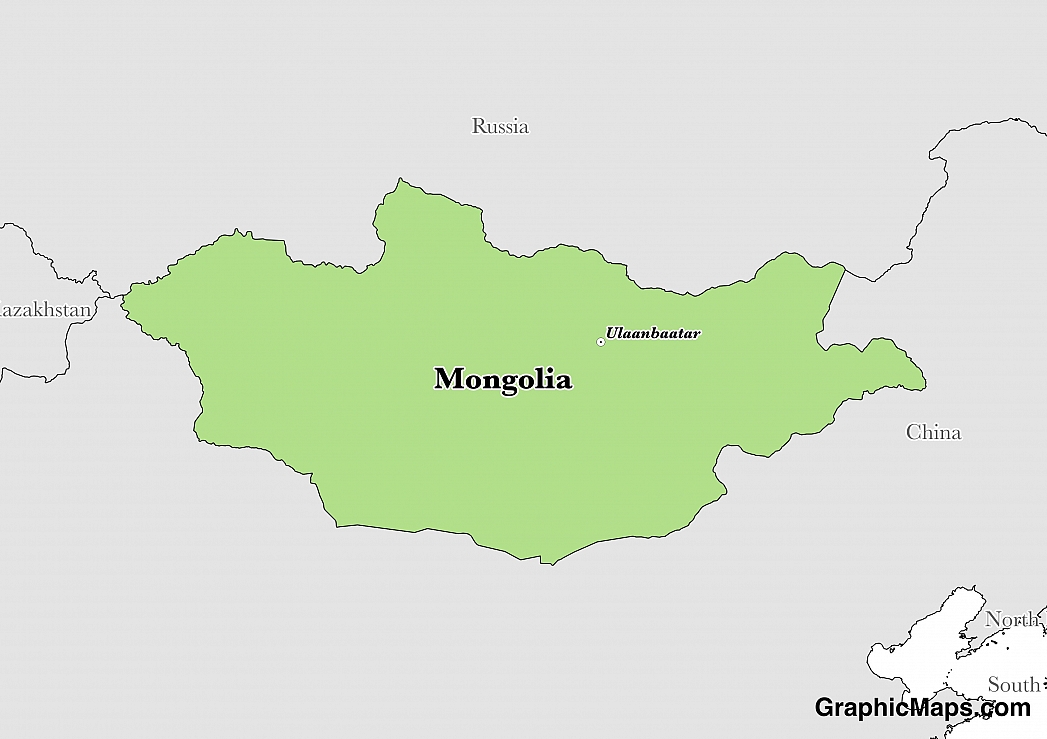
Mongolia has a population of just 2.7 million people spread out over an area half the size of Europe. Mongolia resides on a high mountainous plateau over 5,000 ft above sea level. The Altai, Hangai, Hentii and Hiangan mountain ranges surround the country and shield it from the humid and warm airflows from the Pacific Ocean, resulting in an arid, high desert type environment.
The Gobi Desert makes up a little less than 1/3 of the country. The Gobi Desert is primarily made up of dry rocky mountains and valleys. It is a unique ecosystem that is home to snow leopards, ibex, wild sheep, goats, wild horses and antelope. There is even the Mazaalai bear that has made its home in the Gobi desert.
Arrival and Departure
Clients from the US need to book their flights to Ulaanbaatar through their travel agents. Ulaanbaatar is the Capital of Mongolia and provides numerous tourist activities and historical while at the same time providing fully modern services.However, we can assist you with travel arrangements via Bejing or Seoul. You need to book these hunts at least a year in advance as it takes time to process and secure the limited number of permits available, and overall a lot of work goes into setting these hunts up.
If you travel by way of Bejing, you will be met at the Bejing Airport by an English speaking company representative who will help you clear customs and your firearms declaration. If you are traveling via Seoul you will need to overnight in Seoul, we recommend that you have us secure your hotel room for you as we can generally get better rates.
On return, when you re-enter the U.S. you will go through customs and will have your trophies checked by USFWS before heading on to your final destination. Note, make sure to fill out all necessary paperwork to bring your firearms out of and back into the U.S.
Travel to Hunting Camp
Hunting camps are located all over Mongolia depending on what species you are going to hunt. The distance from Camp to Camp at times can be quite far. Typically you will be traveling by way of quality 4×4 vehicles. You will have an English speaking camp manager who will accompany you throughout your entire trip. Typically you will be traveling 7-10 hours by way of 4x4s to reach your camp. Your guide and camp staff will meet you at the camp, they are all extremely friendly and helpful people.
Camp, Accommodations and Food
Accommodations will vary by hunting area. Some will have well equipped base camps with permanent buildings, Yurts, outhouses, generators, furniture, stock corrals and trophy care facilities. While other camps will be more like spike camps consisting of Yurts, portable trailers or lightweight tents.
Food is basic meats, rice, pasta, salami, bread, nuts, vegetables, fruit, soups, etc, which is quite good and filling. If you like any special snacks like candy bars, juice mix, jerky, etc, you will need to bring that with you. Bottled water is generally available, but you should still bring a water filter, steri-pen or purification tables. Generally tea is served with every meal, so if you prefer coffee, let us know ahead of time or bring instant packets with you. The camps will also have sodas, fruit juice, beer and vodka available.
The Hunt!!!
Normally, when you arrive at the main camp, we will start off doing some scouting together. While scouting we will be discussing some of the characteristics and behaviors of your desired game species as well as viewing some of the actual game animals. If the animals move out of the area for some reason or we cannot find a good one, then we will move as necessary to another camp until we find an animal we are happy with.